

Top 10 Global Food and Beverage Trends 2025
INTRODUCTION
The global food and beverage industry is at the forefront of innovation, with trends being shaped by changing consumer preferences, advancements in technology, and the growing awareness of health and sustainability. As we look towards 2025, several key trends are emerging that are set to redefine the way we consume food and beverages. This comprehensive analysis will delve into the top 10 trends that are expected to dominate the industry, offering insights into the innovations and influences that will shape the market in the coming years.
1. Global Flavor Combinations
The world is becoming increasingly connected, and this is reflected in the food and beverage industry with a surge in global flavor combinations. Consumers are seeking out exotic and adventurous tastes, driving the demand for ethnic and regional flavors. According to the Nestlé trend report, spicy and tongue-tingling flavors will gain complexity, with umami-rich foods and South Asian and Mexican profiles becoming popular. This trend is not just about heat; it’s about depth and dimension in flavor, offering consumers a culinary adventure on their plates.
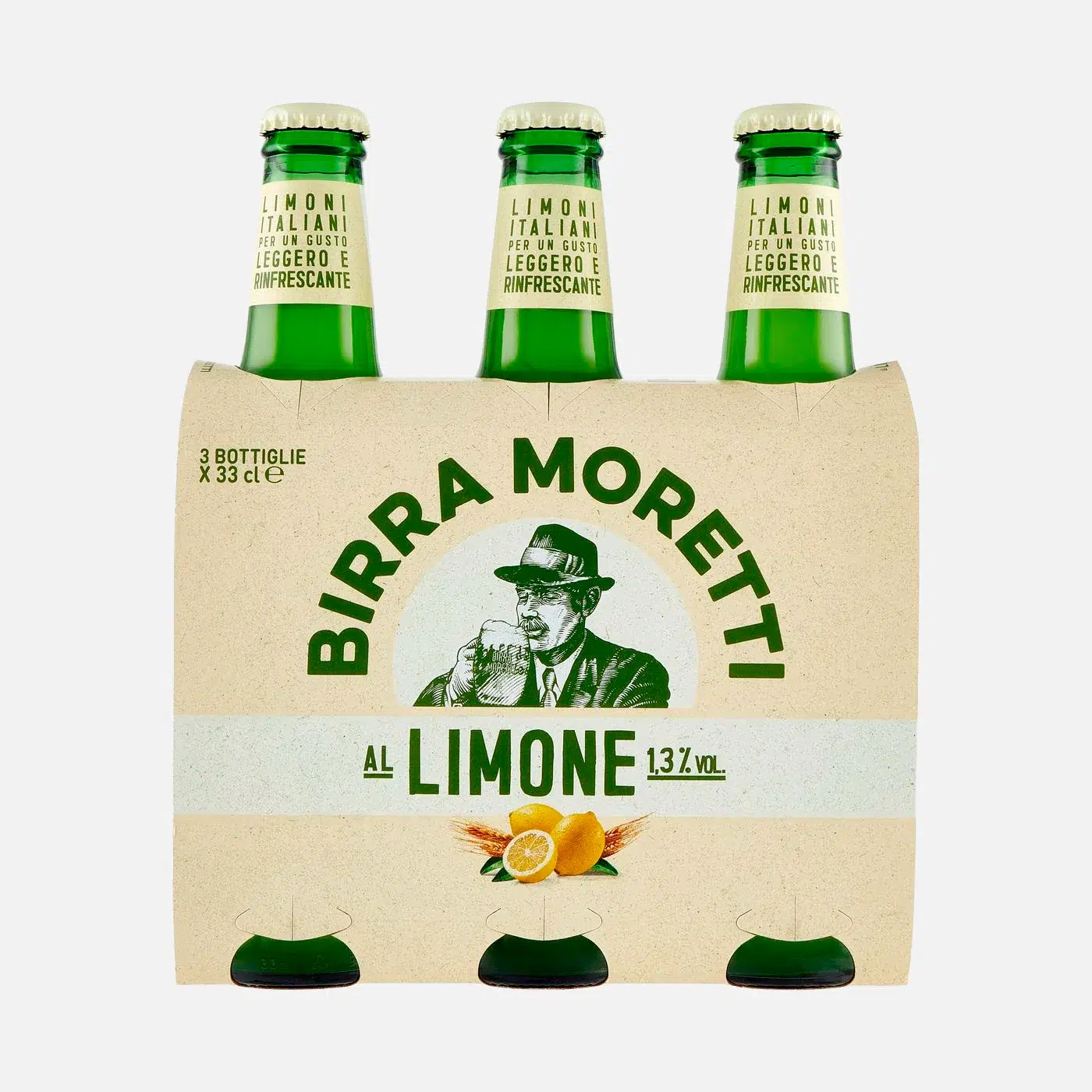
“Birra Moretti & Co.” has launched a range of beers inspired by global cuisines, including a Mexican-style lager with lime and a Thai-style beer with lemongrass, showcasing the trend of infusing traditional drinks with international flavors.

Image Source: Birra Moretti & Co. 
Image Source: Birra Moretti & Co.

2. Specialty Ready-to-Drink (RTD) Beverages
The demand for specialty waters that include electrolytes and antioxidants is on the rise, as consumers seek more from their hydration than what’s available from the tap. Clear, protein-infused beverages are expected to grow in 2025, alongside flavored coffees and teas with functional ingredients that provide a boost of energy and focus. This trend moves away from sugary and artificially flavored drinks, with an emphasis on health and wellness through specialty packaging and unique formulations.
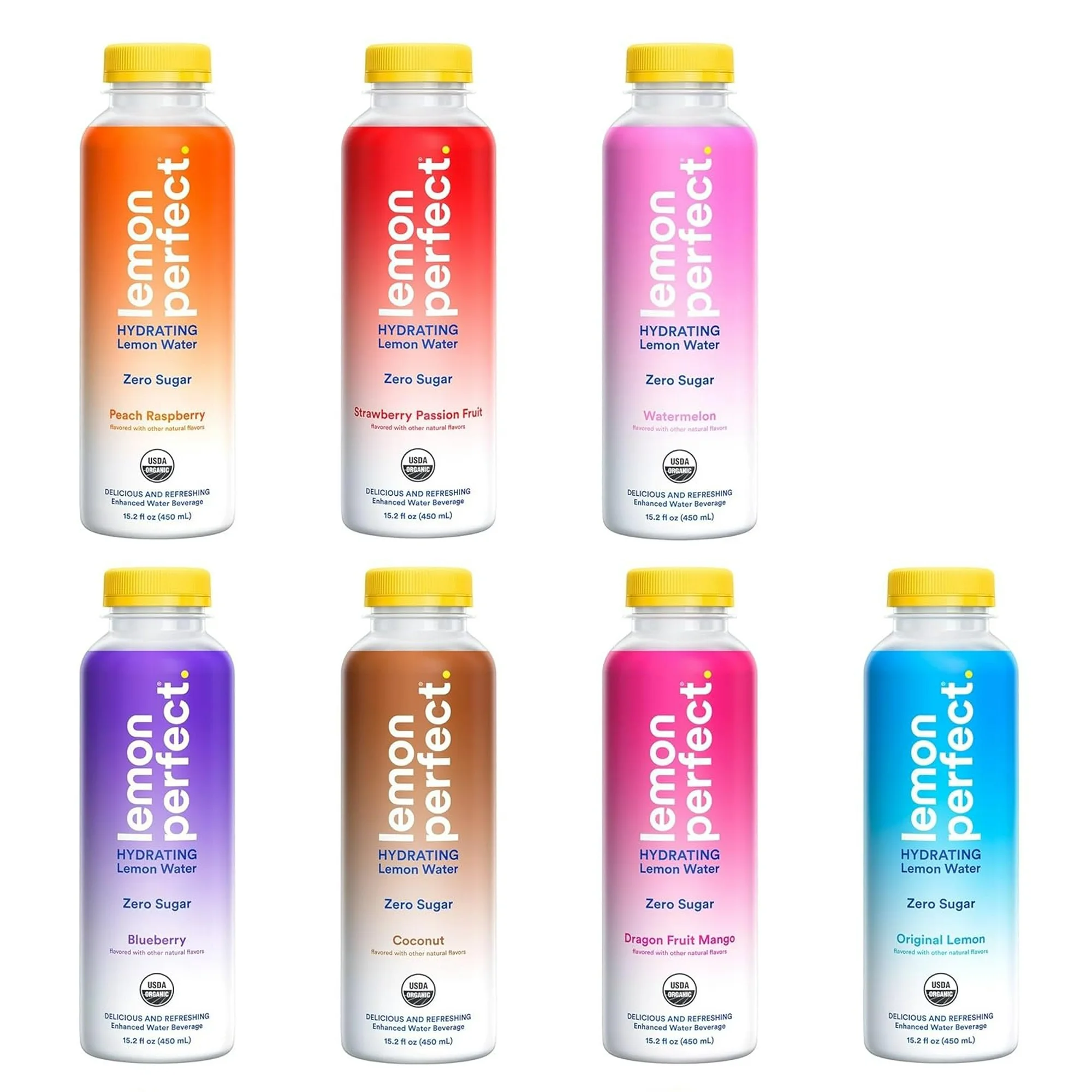
“Lemon Perfect” has created a line of hydrating, protein-rich water beverages that cater to the demand for functional hydration, offering health benefits beyond just quenching thirst.

Image Source: Lemon Perfect
3. Fermentation:
Fermented products are gaining traction as food manufacturers explore the benefits of microorganisms like beneficial yeast, mold, algae, spores, and bacteria for gut health. This trend is driven by the consumer’s increasing interest in probiotics and prebiotics, aiming to support digestive health and overall well-being. The fermentation process not only enhances the nutritional profile of foods but also contributes to the unique flavors that are becoming increasingly popular.
“Kimchi Bar” offers a variety of fermented snacks, including kimchi chips and pickled vegetables, capitalizing on the gut health benefits of fermented foods.

Image Source: Kimchi Bar

4. Ingredient Quality
Consumers are no longer just asking for what’s in their food; they’re demanding high-quality ingredients. Quality is defined by natural and nutritious components, as well as transparency in production. According to Innova Market Insights, 58% of consumers prioritize ingredient quality when making food and beverage purchases. This trend emphasizes the importance of ethical sourcing and manufacturing, with companies like Grande Custom Ingredients Group ensuring their products are free from chemical treatments or modifications, promoting naturalness and health.
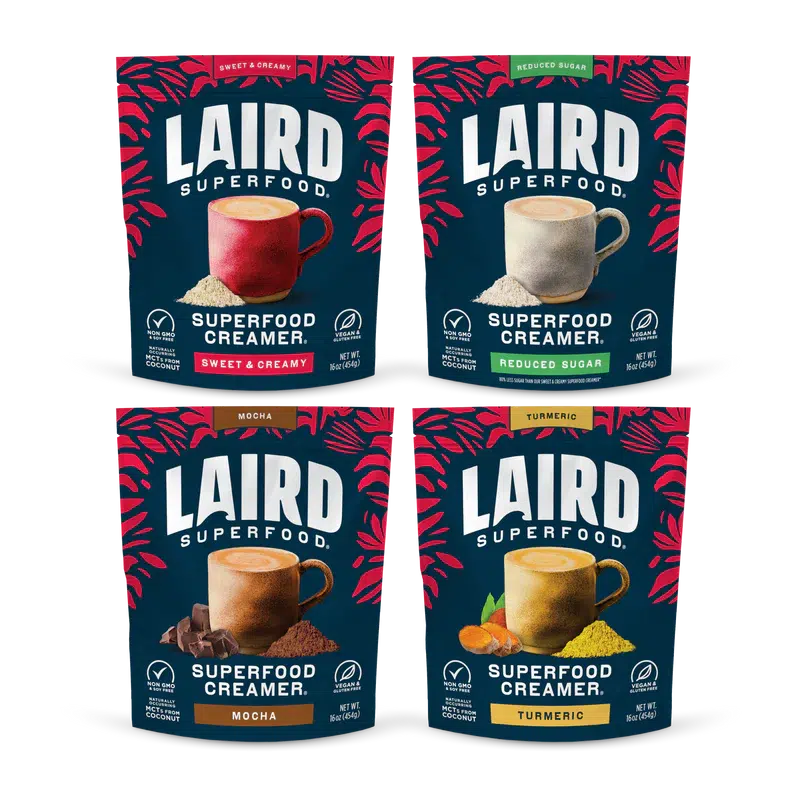
“Laird Superfood” has developed a collagen-infused coffee creamer, emphasizing high-quality, ethically sourced ingredients that cater to the health-conscious consumer.

Image Source: Laird Superfood
5. Upcycled and Sustainable Ingredients
The awareness of sustainable and upcycled foods is growing, with consumers showing interest in manufacturers’ efforts to support sustainable farming practices and protect nature. Upcycled food, such as powdered whey ingredients, is gaining popularity as it transforms by-products into functional and nutritious components for various dishes. This trend is not just about reducing waste; it’s about creating value from what was once discarded, promoting environmental consciousness and resourcefulness.
“ReGrained” produces cookies made from upcycled brewery grain, turning waste products into a sustainable and nutritious snack.

Image Source: ReGrained

6. Protein-Packed Formulations
The popularity of protein-packed foods is set to rise in 2025, with retailers like Kroger and Whole Foods Market predicting a significant increase. However, the focus is shifting from simply claiming high protein levels to the quality of that protein, including the amino acid mix, digestibility, bioavailability, and absorption. Whey Protein Isolate (WPI) and other whey ingredients are considered the gold standard for quality protein sources, offering complete nutrition with all nine essential amino acids.
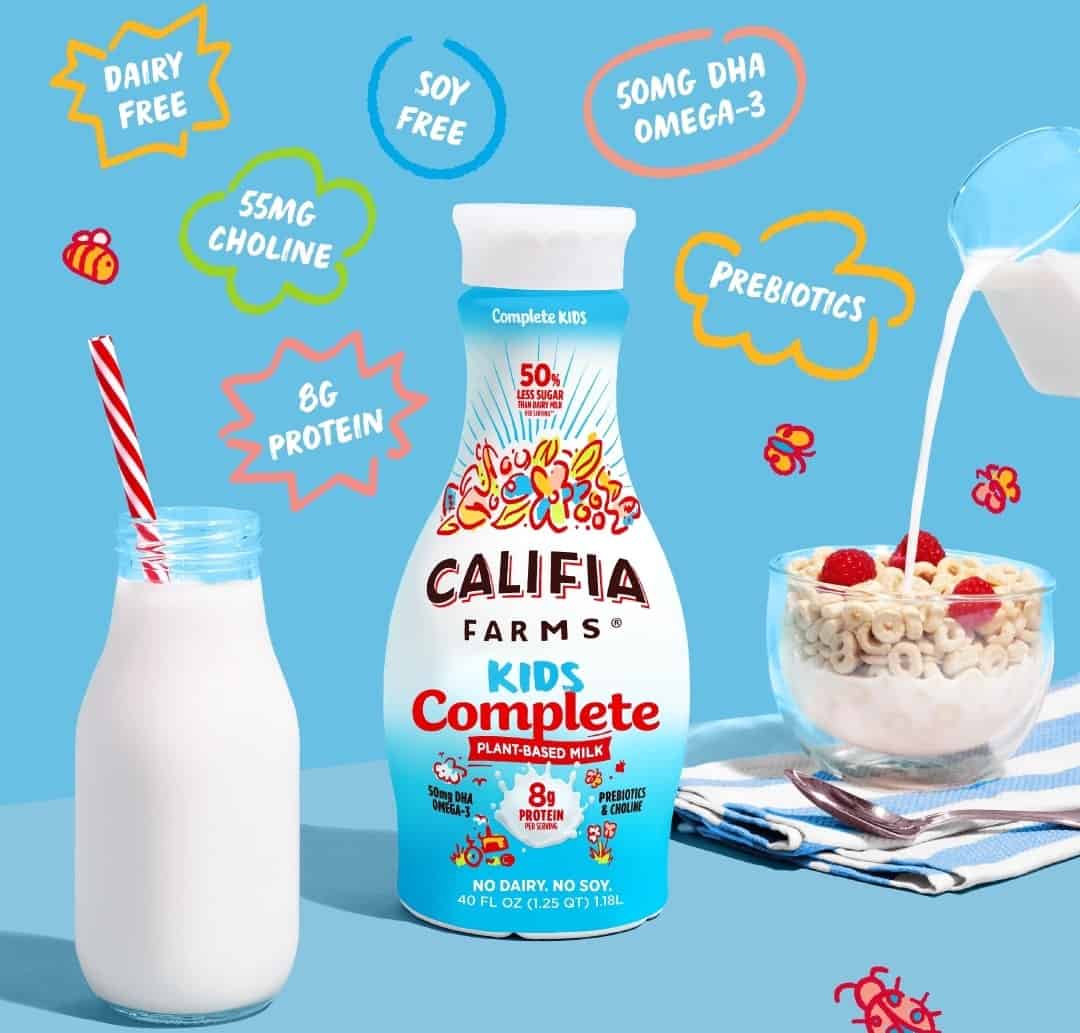
Some beverages, like Califia Farms’ Complete Kids line, are formulated with protein from peas, chickpeas, and fava beans. Fava bean protein is a good choice for protein beverages because it’s high in protein, has a neutral taste, and is easy to digest.

Image Source: Califia Farms
7. Crunchy Textures
Crunchy textures are making a comeback, with consumers looking for light, crispy additions to their meals and snacks. From crispy grains and granola to fermented nuts and mushroom chips, the demand for crunch is growing. Brands are responding by introducing crunchier versions of favorite snacks or by adding textural elements like toppings and seasonings. This trend caters to the sensory experience of eating, offering consumers a satisfying and enjoyable texture.
“PopCorners” has popularized crunchy corn snacks that offer a lighter, air-puffed alternative to traditional chips, satisfying the consumer’s desire for crunchy textures.

Image Source: PopCorners

8. Mood Foods
The awareness of mental health is on the rise, and with it, the role of diet in maintaining a positive outlook on life. Food manufacturers are introducing products that provide mental health benefits, including functional ingredients that offer nutritional value in the form of protein, vitamins, and minerals. Amino acids like L-tyrosine, which can produce dopamine when synthesized, are becoming increasingly important in this trend, highlighting the connection between nutrition and mental well-being.
The Chocolate Brownie Bliss Wellbeing Bar, rich in magnesium, supports mental well-being by reducing stress and anxiety, embodying the Mood Foods theme of nourishing the mind.

Image Source: Mother Earth

9. A Return to Real Food
There’s a growing trend of consumers seeking real, authentic food experiences. This move towards whole foods, whether fresh from the garden or prepared from the freezer aisle, reflects a desire for natural, minimally processed options. While plant-based foods continue to grow in popularity, consumers are looking beyond label claims and seeking real dairy and other natural ingredients that have less environmental impact than many plant-based alternatives.
Maine Crisp Fig and Thyme Buckwheat Crackers offer a return to real food, featuring natural ingredients like buckwheat, figs, and walnuts, with no artificial additives or preservatives

Image Source: Maine Crisp

10. Mini Is Big
Snack and beverage brands are tapping into consumer cravings for small pick-me-ups, particularly appealing to Gen Z. Fun-size, on-the-go foods like small sweet baked goods and granola bites will be strategically placed for impulse buys. This trend also extends to ready-to-drink coffee drinks, offering small treats at home. The focus is on convenience and portion control, catering to the busy lifestyles of consumers who want to indulge without overindulging.
“Mini Munchies” is a brand that specializes in small-portion, single-serving packages of indulgent treats, catering to consumers’ desire for guilt-free, smaller treats.

Image Source: Mini Munchies

Future Trends: A Glimpse into the Next Frontier
As key trends evolve throughout the year, brands can anticipate shifts that align with changing consumer desires. In the ‘Ingredients and Beyond’ trend, product quality is important, with consumers prioritizing freshness, ingredient sourcing, health benefits, and nutritional content. To build trust and transparency, manufacturers should focus on these areas.
In the Food Culture – Tradition Reinvented’ trend, consumers are embracing both heritage and innovation, seeking traditional recipes alongside new products inspired by cultural roots. This opens opportunities for brands to blend tradition with modern culinary approaches.
The ‘Gut Health – Flourish from Within’ trend reflects growing consumer awareness around gut health, from microbiome balance to gut-friendly ingredients. As consumers adopt a more holistic view of wellness, brands have an opportunity to integrate gut health benefits into their product offerings. Brands that stay ahead in adapting to these evolving preferences are likely to drive innovation in the food and beverage industry.
CONCLUSION
The food and beverage industry is at a crossroads, with trends reflecting the changing tastes and values of consumers worldwide. From global flavor combinations to the rise of mood foods, the industry is responding to the demand for diverse, healthy, and sustainable options. As we move towards 2025, these trends will undoubtedly shape the future of consumption, offering a glimpse into the evolving landscape of food and beverage preferences.